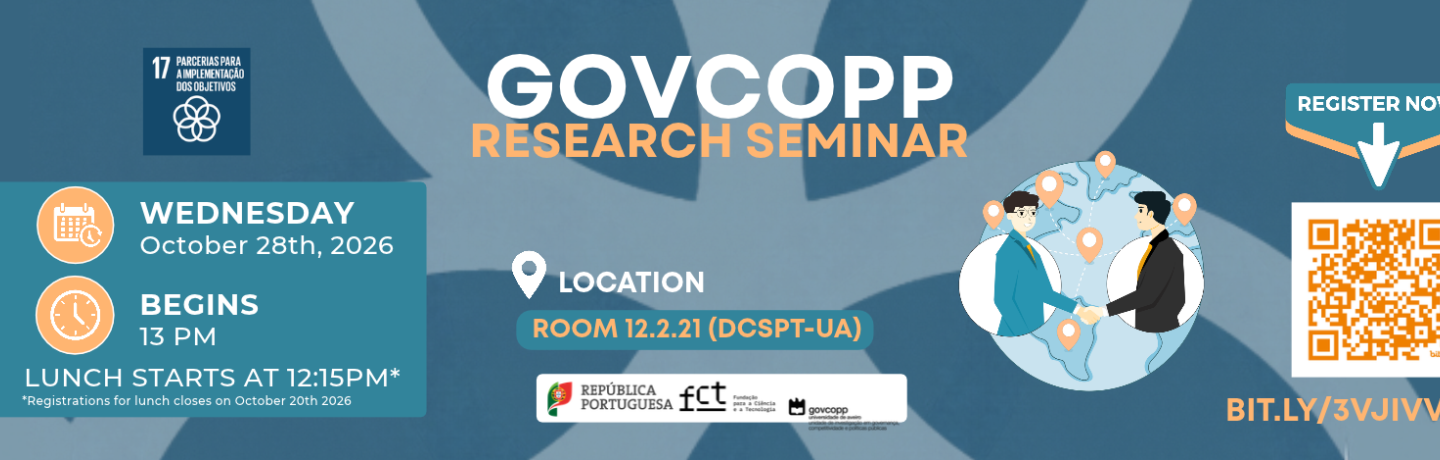
Localização:
Sala 12.2.21 DCSPTData de início:
Seminário de Investigação GOVCOPP | outubro 2026
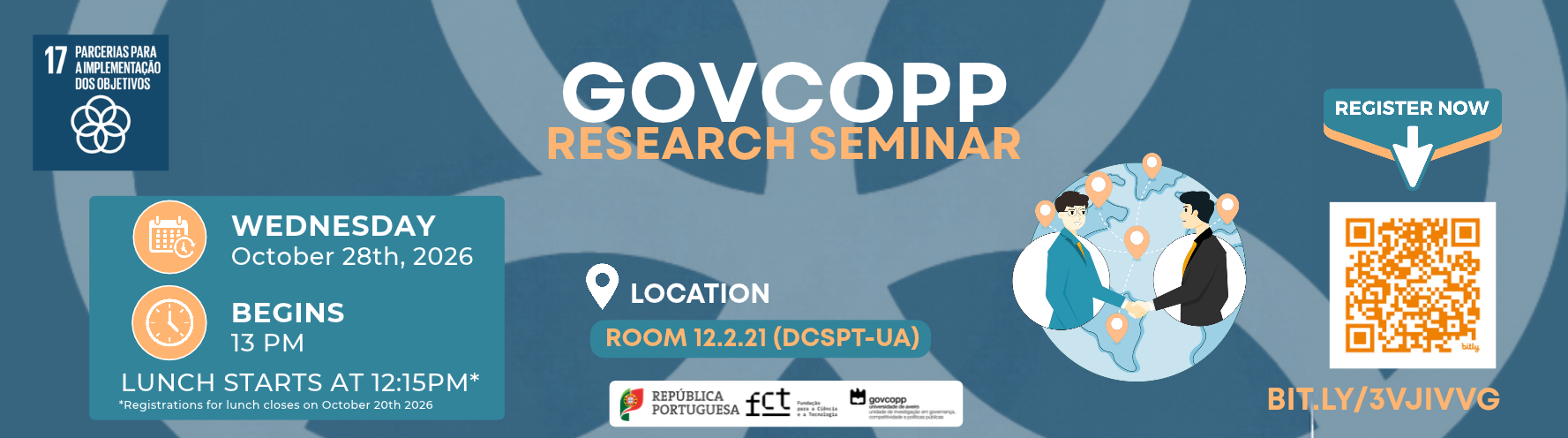
O próximo Seminário de Investigação GOVCOPP terá lugar no dia 28 de outubro de 2026. Junte-se a nós entre as 13 e as 15 horas.
28 outubro 2026
Sala 12.2.21 (DCSPT)
13h - 15h
Almoço a partir das 12h15
Grupo de Investigação CIS
A ser anunciado em breve
Resumo
Em breve
Grupo de Investigação SAD
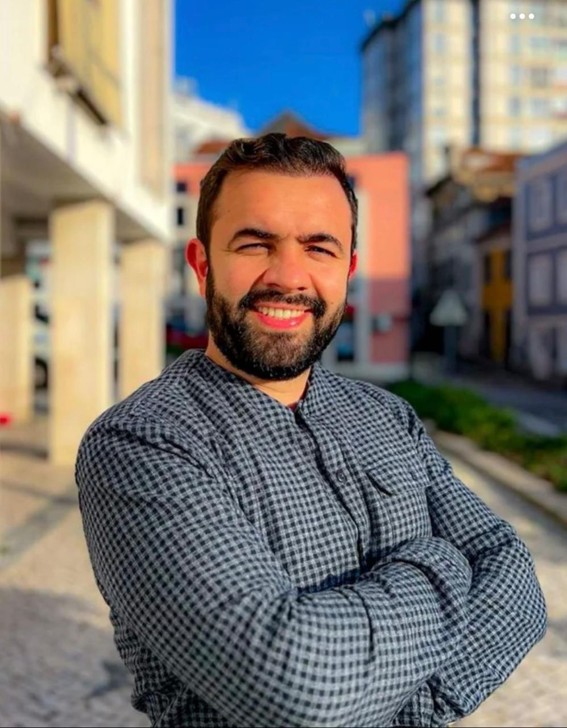
Integrating the Energy Transition into Corporate Bankruptcy Models: A Multilevel Analysis of European Listed Firms
Resumo
As the energy transition reshapes European economies, this study examines whether the risk of corporate bankruptcy is driven mainly by industry or by firm-specific characteristics, and how the country's energy transition affects that risk across sectors. Drawing on the industry-versus-firm-effects debate between industrial organization and the resource-based view, we apply multilevel mixed-effects models, with firms nested within 36 sectors, to an unbalanced panel of 3,747 listed firms from 29 European countries (2016–2025). Bankruptcy risk is measured by Altman's Z''-score, both as a continuous variable and as ordinal distress zones (ordered logit, as a robustness check). A hybrid (within-between) specification separates changes within each firm from differences across firms. Sector-level variance accounts for only 2.8% of the variation in bankruptcy risk, against 55.6% at the firm level, and most sector differences disappear once firms' leverage and profitability are controlled for. Within firms, an advance in the country's Energy Transition Index reduces bankruptcy risk, whereas cross-country differences in the index do not. This effect varies significantly across sectors: three of the four energy sectors (oil, gas and coal; electricity; and alternative energy) are among those that benefit least. ESG performance does not moderate the effect of the transition. These findings suggest that exposure to the energy transition is primarily a firm-level rather than an industry-level phenomenon, with implications for investors, regulators and transition policy.
Grupo de Investigação PI2
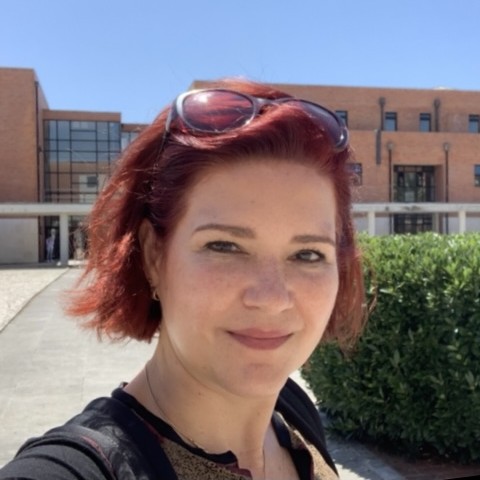
Governing Urban Sustainability Transformations: The Role of Agency Features in Strategic Environmental Assessment of Municipal Master Plans in Portugal
Resumo
Local action is essential for driving the fundamental, structural, and systemic changes needed to achieve crucial societal transformations toward global sustainability. Through individual and collective agency, local actors play unique roles in constraining or enabling these Urban Sustainability Transformations (UST). As cities become increasingly complex, local governments and policymakers face escalating challenges such as climate change, biodiversity loss, social inequality, and polarization, among others. Cities need new holistic, integrated local governance arrangements to build transformative capacity across scales and domains. Relying solely on traditional top-down decision-making cannot address contemporary urban challenges.
Scholars advocate that transformative decision-making processes lean on collective action advanced by connections and interactions among diverse actors with varying values, perspectives, power, and goals. However, a gap remains in understanding how transformative decision-making processes function in practice across contexts, particularly regarding how agency and actors’ interactions in these processes can advance UST.
Against this backdrop, this qualitative empirical research aims to understand how the dynamics of agency features in decision-making processes can enable or constrain UST. It investigates the agency features involved in the Strategic Environmental Assessment (SEA) processes of Municipal Master Plans in Portugal. SEA is a policy tool that promotes and integrates sustainability early in decision-making through a systematic, strategic, and participatory approach. While Portugal has a robust SEA framework that complies with European Union regulations, SEA's effectiveness and impact in the country remain limited.
We utilized theory-driven thematic analysis employing the ‘Concept map of decision-making processes of policies, plans, and programs aimed at UST’ (COMPASS) as the analytical framework. COMPASS presents two conditions for UST: community inclusion and empowerment, and a diverse, flexible, and reflexive governance arrangement. Central to COMPASS are ten key agency features, reflecting actors' ways, abilities, and capacities to connect, organize, engage, and act, and/or influence urban decision-making processes: ‘awareness’, ‘collaboration and partnership’, ‘leadership’, ‘learning, information and knowledge’, ‘place’, ‘power’, ‘resources’, ‘shared vision’, ‘trust’, and ‘willingness and commitment’. Data were gathered through in-depth semi-structured interviews with open-ended questions. The selection of interviewees was designed to represent the key groups of actors involved in the SEA process analyzed.
The study underscores how the ten agency features, along with institutional settings and urban governance arrangements, shape decision-making outcomes aimed at UST, identifying barriers and enablers of change. The findings reveal the perspectives and roles of key actor groups, emphasizing the need to transition from bureaucratic, top-down SEA governance to a reflexive approach that fosters collaborative decision-making, co-learning, and the involvement and empowerment of a more diverse and representative range of actors.
The study advances urban sustainability transition and transformation research by expanding knowledge of actors’ roles and agency. It contributes to ongoing debates on sustainable development, particularly in policymaking and science, by highlighting opportunities for urban governance through SEA and local agency to promote UST and advance collaborative, innovative pathways to sustainability.
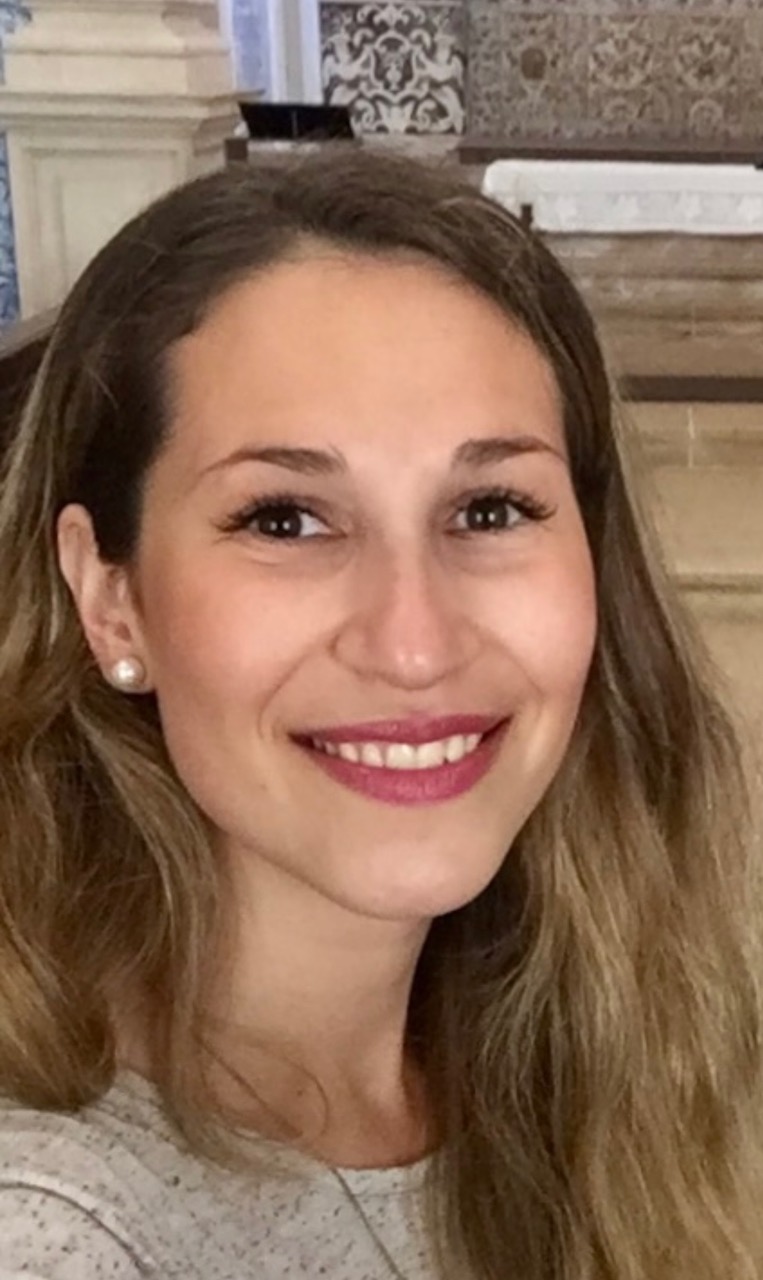
Resumo
With this communication, we intend to present the development of a project resulting
from multiple transdisciplinary partnerships, ultimately co-created with tourists visiting Porto, Portugal.
The project aimed at collecting stories of memorable and meaningful experiences of international
visitors staying at three hostels in Porto downtown – within or in the immediate vicinity of the area
classified as world heritage by the UNESCO – and writing these stories into ceramic tiles with QR codes. The work is informed by qualitative, social exploratory research that relied on the case
study method to collect narratives by means of interviews, and analyse it combining content, discourse
and narrative analyses. The approach also relied on technological tools; however the focus is human
centred – as opposed to technology-driven, and system-centred – as opposed to product-oriented. The
focus is on visitors’ lived experiences, where interview is a tool that enabled collection of narratives
communicated through storytelling. The intangible human element is combined with a physical object
that incorporated local culture, tradition and heritage on the one hand, and digital, social media, virtual space on the other, i.e., the Portuguese tile. The tiles remain at the hostels as an interactive element for future visitors, as well as a reminder of the weight of cultural heritage and its preservation, and (hopefully) a promoter of more sustainable tourism practices. The data was coded according to Pine and Gilmore’s 4E model (1998, 1999), Buehring and O’Mahony (2019), and Cupchik and Hilscher (2008) frameworks. We explore various aspects of visitors’ personal narratives, including tangible and intangible aspects of their experiences, i.e., non-sensory and sensory. We also expand the nature-culture dichotomy (Kitchin & Thrift, 2009) into people-nature-culture trichotomy that emerged from the data. Through exploration of urban spaces mentioned by visitors in their storytelling, we create geographical maps of people’s movements, aiming to visualise the most visited (over-touristified) parts of the city and propose alternative routes in an attempt to help alleviate the former. The study brings theoretical, methodological and empirical contributions to tourism
research and state of the art. It interconnects culture, heritage, technology, storytelling, and visitor
experience. It sheds light on the significance of collaboration between the Academia and the industry,
the researcher and the researched, and the subsequent richness of data, with several ways it can be
explored and made beneficial in practical terms.
Keywords | Tourist experience, Storytelling, Co-creation, Portuguese tiles challenges.
As inscrições estão abertas até 27 de outubro para participar no seminário. Para almoçar, a inscrição e a respetiva escolha de almoço deverão ser feitas até ao dia 20 de outubro.
